You finally decide to do it — to give your AI the context everyone keeps telling you it needs. So you open a blank document, put the cursor at the top of the page, and that's where it stalls, because the one question you can't quite answer is the simplest one of all: context about what, exactly?
That blank page is where most people quit, and it's an understandable place to stop. The idea makes sense, since your AI genuinely works better when it knows you, but "knowing you" is a big, shapeless thing, and nobody ever hands you the list of what to actually write down. The six Context Anchors are that list — six questions worth answering about yourself, each one a piece of the picture you'd otherwise have to rebuild from scratch every time. Working through those questions instead of a blank page is what RUMO calls context mining, and it's the whole reason this list exists.
What is a Context Anchor?
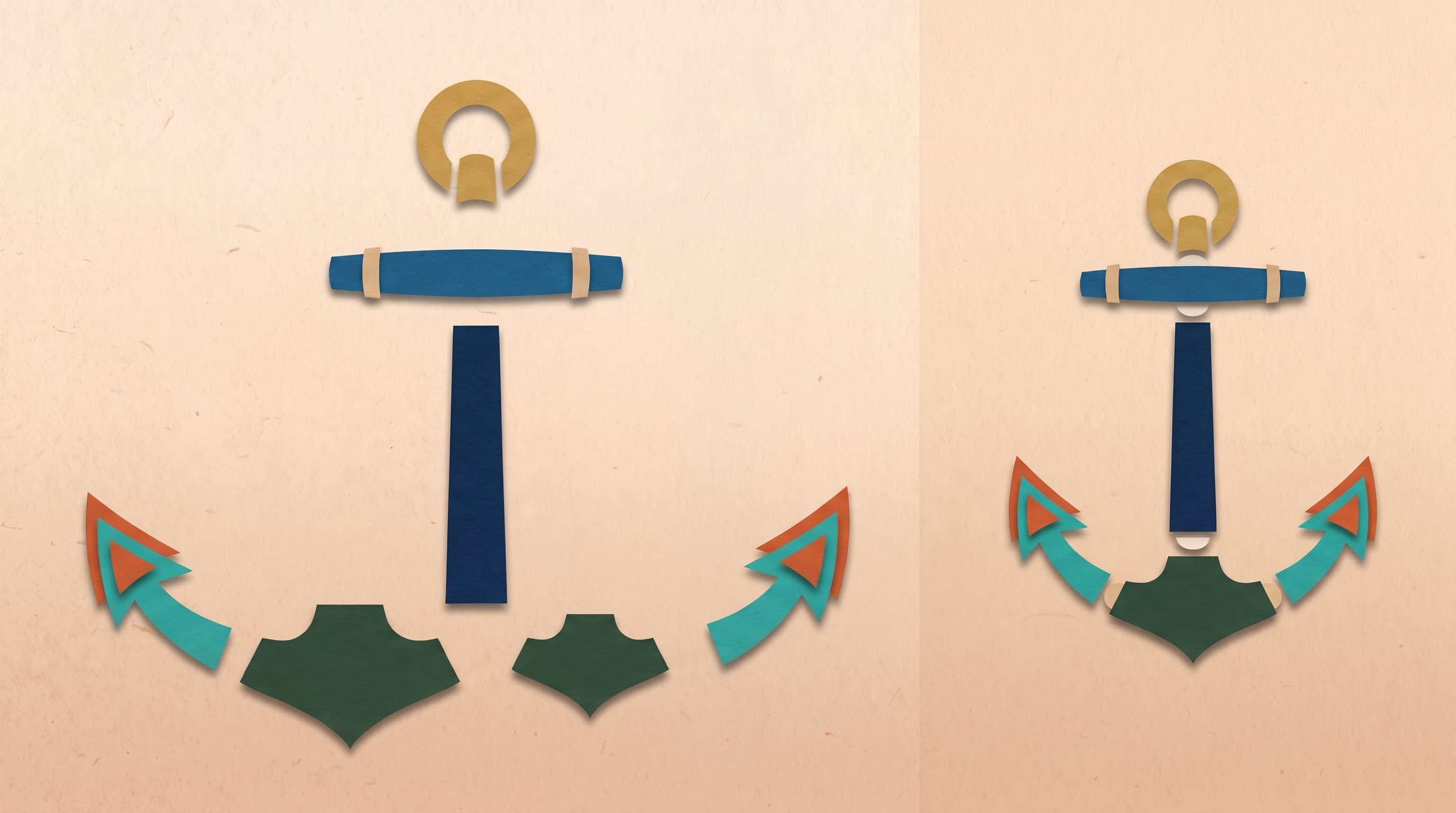
A Context Anchor is a short, structured document that captures one durable part of who you are: your identity, your voice, your stories, your situation, your history, or your people. You write it once, you drop it into any AI tool, and the model starts working from a real foundation instead of a guess.
You don't have to invent the structure, and you don't have to write all of it in one sitting. Here's what each of the six holds.
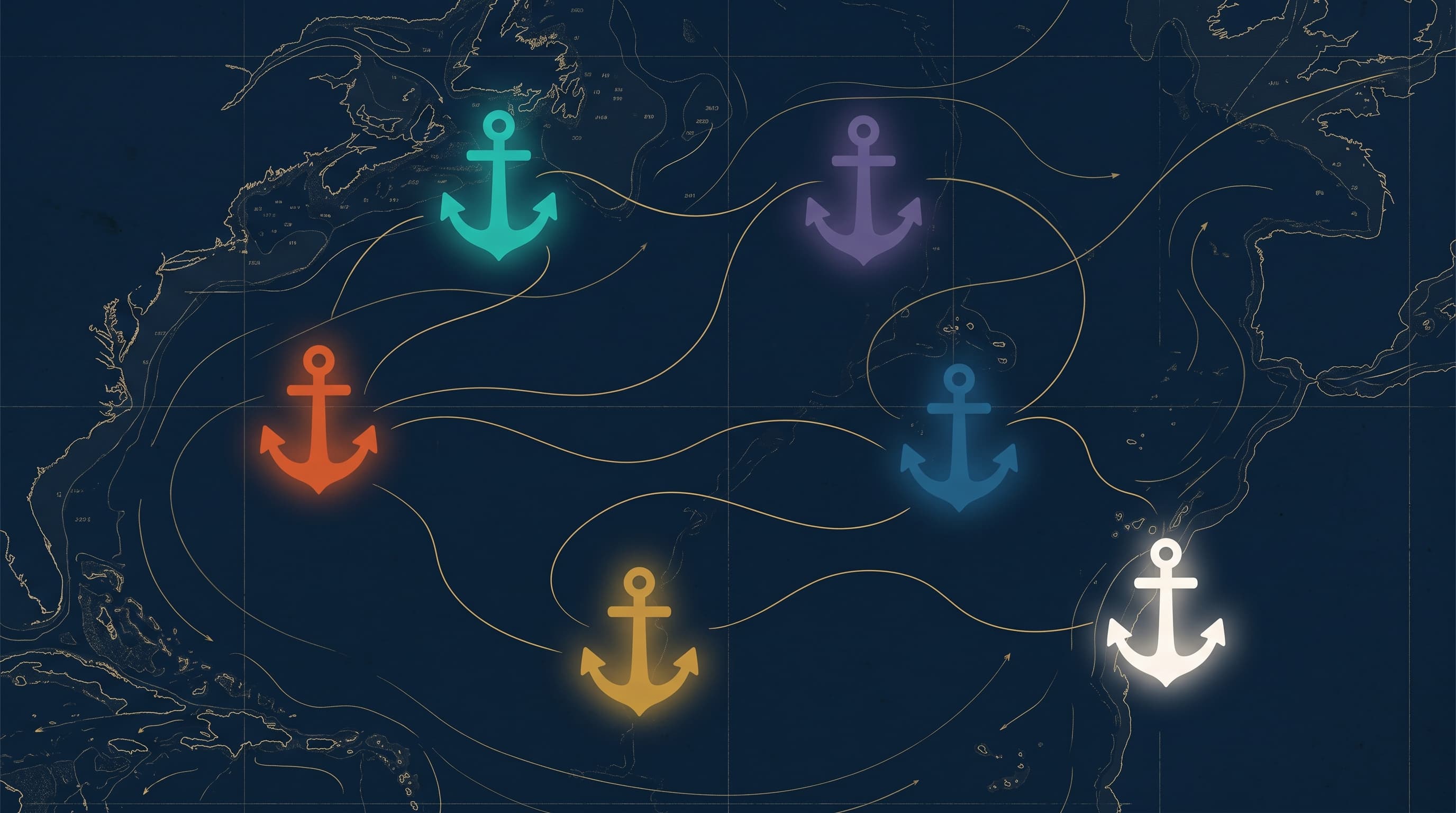
The six Context Anchors at a glance


Personal Constitution
Your Personal Constitution is the foundation: who you are, what you believe, and the principles you won't compromise on. It shapes how the model reads every other anchor, which is why it's the one to write first, and it means that even a cold, blank chat opens with some sense of your values already in the room.
Writing Codex
Your Writing Codex is how you sound, from the sentence lengths you favor to the words you'd never be caught using and the gap between your LinkedIn voice and your text-to-a-friend voice. Hand it over, and the model stops writing like the average of the internet and starts writing like you.
Story Bank
Your Story Bank holds the stories you tell more than once and the phrases you always reach for — the hiring mistake you still think about, the line your mom used to say, the bit of language that's unmistakably yours. It's the raw material the model pulls from when it needs to sound like it has lived a little alongside you. I've taken this one apart at length in what is a Story Bank, including the repeat test that decides what earns a place in it.
State of the Union
Your State of the Union is the now: what you're focused on this season, the goals you're chasing, the constraints you're working inside, the things already in motion. It ages faster than any other anchor, and that's exactly what keeps the model's advice tied to the life you're living this month instead of the one you described last year. I took this one apart at length in what is a State of the Union anchor, including how to tell when yours has quietly gone out of date.
Timeline
Your Timeline is the arc of where you've been and where you're heading — the careers, the cities, the turning points that explain how you got here. Context isn't only present tense, and a model that understands your trajectory will give you sharper counsel about the next move. I've taken this one apart at length in what is a Timeline anchor, including where the chapter names come from and how far back it's worth going.
Influence Roster
Your Influence Roster is the cast of people who shape your world and how they fit together: family, mentors, clients, the friend whose opinion you weigh more than you let on. When your AI knows who matters, it can help you think through the relationships, not just the tasks. I've taken this one apart at length in what is an Influence Roster, including the line between writing about people and filing on them.
Which one should you build first?
Start with the Personal Constitution, because it does the most work, it's the foundation the others build on, and it's free. If a blank page is what usually stops you, work from the template instead. Spend thirty minutes on it, drop it into ChatGPT's custom instructions or a Claude project, and you'll feel the difference in the very next thing you ask. Build the other five whenever you're ready, in whatever order your life calls for, and if you want the longer story on why any of this works, start here.
Keep them alive
The blank page never fully goes away, and that's the point. Your life keeps moving, so your context keeps shifting, and the anchors you write this month will want a light edit by next season. Six questions, answered and kept current — that's the whole difference between an assistant that treats you like a stranger and one that works like it actually knows you.
Frequently Asked Questions
- What is a Context Anchor?
- A Context Anchor is a short, structured document that captures one durable part of who you are — your identity, your voice, your stories, your situation, your history, or your people. You write it once and drop it into any AI tool so the model works from a real foundation instead of guessing.
- How many Context Anchors are there?
- Six: the Personal Constitution, Writing Codex, Story Bank, State of the Union, Timeline, and Influence Roster. Each one answers a single durable question about who you are, and together they cover the whole picture.
- Which Context Anchor should I build first?
- Start with the Personal Constitution. It does the most work, it's the foundation the other five build on, and it's free. Most people finish it in about thirty minutes.
- Do I need all six anchors?
- No. Start with one. Even a single anchor gives your AI more to work with than a blank chat. Build the others as you need them, in whatever order fits your life.
- What AI tools do Context Anchors work with?
- Any of them — Claude, ChatGPT, Gemini, Perplexity, custom GPTs, and agents. An anchor is a plain, structured document, so you can paste it into a chat or wire it into a tool's instructions.